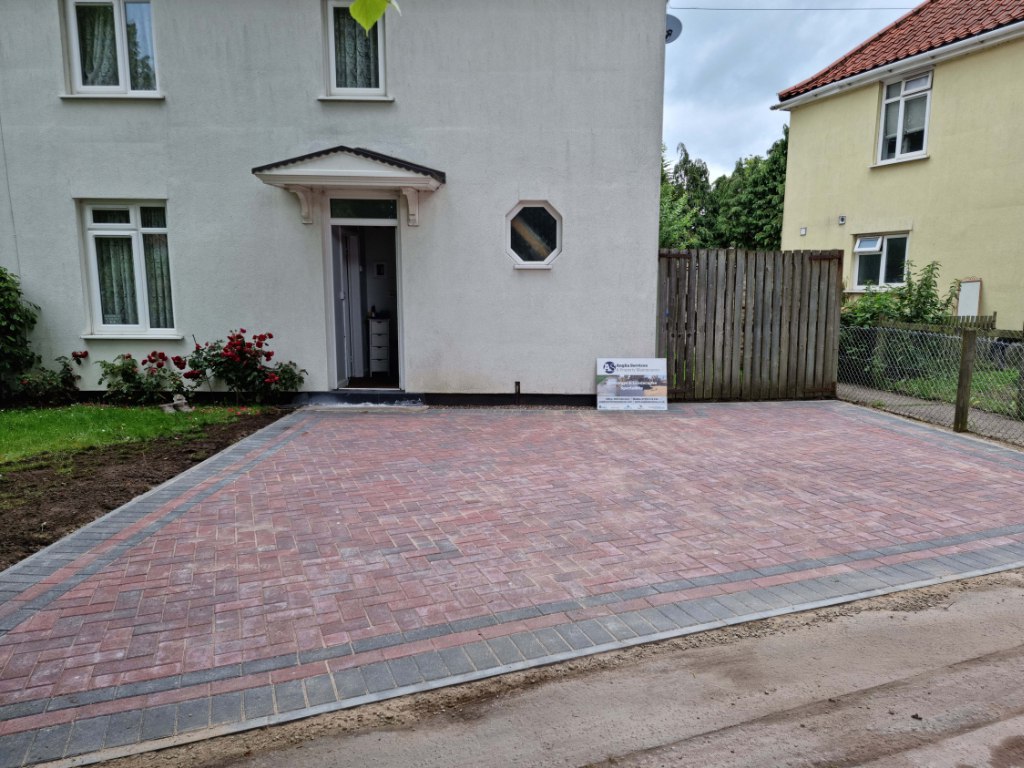
Indian Sandstone Paving: How to Create a Timeless and Attractive Patio
Indian sandstone paving is a popular choice for homeowners who want to create an attractive, practical and long-lasting patio. Its natural colours, distinctive textures and subtle variations between individual slabs give outdoor spaces a character that manufactured paving may struggle to replicate. Whether you are planning a place to relax, entertain guests or enjoy the garden, sandstone can provide an appealing foundation for your outdoor living area.
For homeowners in Biggleswade, Bedfordshire, Indian sandstone paving offers a versatile way to enhance a garden and create a patio that complements the appearance of the property. With careful planning, suitable materials and professional installation, it is possible to achieve a finish that remains attractive and functional for years to come.
Why Choose Indian Sandstone Paving for Your Patio?
One of the main advantages of Indian sandstone is its natural appearance. Each slab has individual markings, tonal variations and surface textures, helping create a patio with depth and visual interest.
Sandstone is available in a range of colours, including warm buff, golden brown, grey and softer neutral shades. This variety makes it easier to select paving that complements existing brickwork, garden walls, fencing and outdoor furniture.
Indian sandstone also suits different garden styles. Lighter shades can help create a fresh, open feel, while warmer colours can produce a more traditional and welcoming setting. Choosing a consistent colour palette helps the finished patio feel connected to the rest of the garden.
Beyond appearance, sandstone paving provides a practical surface for everyday outdoor use when the correct materials are selected and the installation is carried out properly.
How to Design an Attractive Sandstone Patio
Choose Colours That Complement Your Home
The colour of your paving can influence the overall atmosphere of your garden. Before making a final choice, consider the colour of your property’s exterior, existing pathways and surrounding landscaping.
For a coordinated finish, choose sandstone tones that work naturally with these features rather than competing with them. Viewing samples in different lighting conditions can also help you understand how the colours may appear throughout the day.
Select a Suitable Paving Layout
The arrangement of the slabs plays an important role in the finished appearance. A regular layout can create a clean, structured look, while mixed-size paving patterns offer a more traditional, natural feel.
The layout should also reflect how you intend to use the space. A larger, open patio may suit outdoor dining and entertaining, while a smaller paved area can create a comfortable seating space within the garden.
Careful planning helps minimise awkward cuts around boundaries and ensures the patio feels balanced in relation to the available space.
Incorporate Borders and Garden Features
A contrasting sandstone border can define the edges of a patio and give the installation a more considered appearance. The paving can also be combined with planting beds, lawn edges, garden walls or steps to create a smooth transition between different parts of the garden.
In Biggleswade, Bedfordshire, considering the existing garden layout before installation can help ensure that the new patio complements the property rather than appearing disconnected from its surroundings.
The Importance of Proper Sandstone Paving Installation
Even high-quality Indian sandstone may not perform well if it is installed incorrectly. A durable patio depends on suitable ground preparation, a stable supporting base and effective drainage.
Prepare a Stable Foundation
The ground must be prepared appropriately before the paving is laid. This generally involves removing unsuitable material and creating a properly compacted base that can support the slabs and withstand regular use.
The installation method should be selected according to the ground conditions, intended use and paving specifications. A poorly prepared foundation can contribute to uneven slabs, movement and cracking over time.
Ensure Effective Drainage
Water must drain away from the paved surface rather than collecting in low spots or running towards the property. Correct levels and suitable drainage arrangements help reduce standing water and limit problems associated with prolonged moisture.
This is particularly important when a patio sits close to the house or connects to existing paths and paved areas.
Use Suitable Jointing Materials
Appropriate jointing materials help keep the paving stable and create a neat, consistent finish. The choice of jointing method depends on the installation system, the slab characteristics and the manufacturer’s recommendations.
Professional installation helps ensure that the joints, slab levels and surrounding edges work together to produce a secure and attractive patio.
How to Maintain Indian Sandstone Paving
Regular maintenance helps preserve the appearance of sandstone and reduces the build-up of dirt, algae and other organic growth.
Sweep the patio periodically to remove leaves, soil and debris. For routine cleaning, use water and a suitable cleaner recommended for natural stone. Avoid harsh chemicals or aggressive cleaning methods that could damage the surface or affect the jointing.
Where algae or moss develops, address it using an appropriate stone-safe treatment. Take care when using pressure washers, as excessive pressure can damage the stone surface or loosen jointing materials.
It is also worth checking the patio occasionally for loose slabs, deteriorating joints or areas where water collects. Addressing these issues early can help prevent more extensive deterioration and keep the paved area safe to use.
Why Choose Professional Patio Installation?
Creating a successful sandstone patio involves more than selecting attractive slabs. Ground preparation, accurate setting out, drainage, cutting and jointing all contribute to the finished result.
An experienced driveway and patio installer can assess the garden, discuss suitable paving options and recommend a layout that makes effective use of the available space. Professional workmanship also helps reduce the risk of uneven surfaces, poor drainage and premature movement.
Biggleswade Driveways & Patios can help homeowners in Biggleswade, Bedfordshire, plan an Indian sandstone patio that suits their property, outdoor requirements and preferred style.
Conclusion
Indian sandstone paving combines natural character with practical versatility, making it an excellent option for creating an attractive patio. By choosing complementary colours, planning a suitable layout and ensuring correct installation, you can create an outdoor space that enhances your garden and remains enjoyable to use.
Regular cleaning and timely maintenance will help preserve the paving’s appearance, while a properly prepared foundation and effective drainage support its long-term performance.
If you are considering Indian sandstone paving for your garden, contact Biggleswade Driveways & Patios to discuss your patio plans and arrange a consultation for your property in Biggleswade, Bedfordshire.
Call us on: 01767 661 181
Click here to find out more about Biggleswade Driveways & Patios
Click here to complete our contact form and see how we can help with your driveways.